

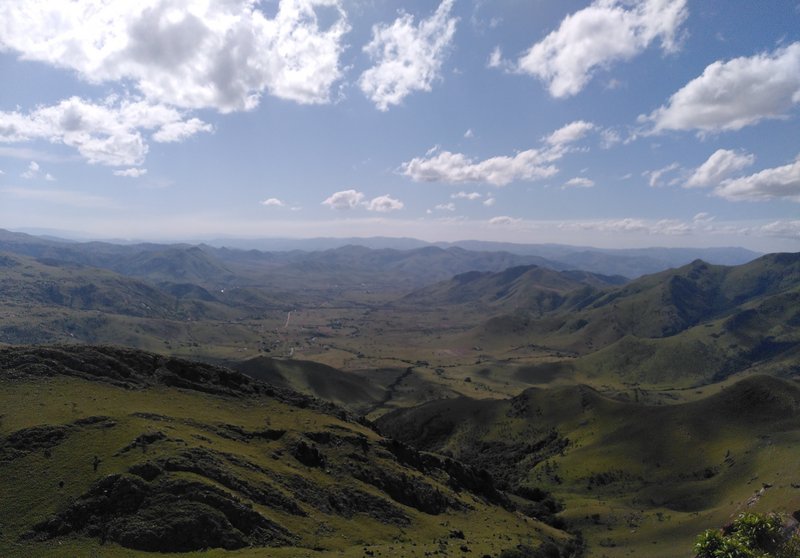
Lion Cavern
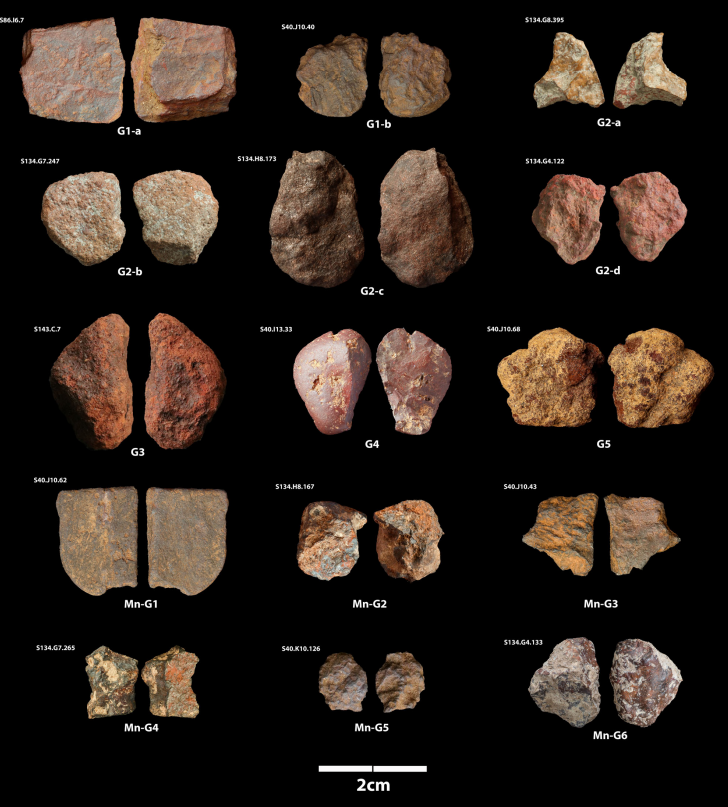
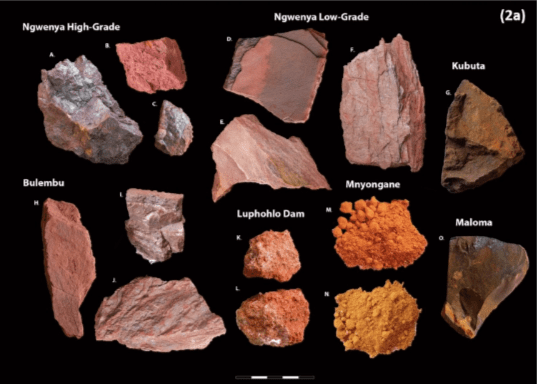
Based on 173 samples from 15 Stone Age sites, the international research team, led by the German Archaeological Institute (DAI) and the Senckenberg Centre for Human Evolution and Palaeoenvironment (HEP) in Tübingen, was able to reconstruct regional networks for ochre use, extraction and transportation. Cultural practices did not develop in isolation, but were part of an extensive network shaped by exchange, seasonal migrations, and symbolic communication. The findings point to the intergenerational transmission of knowledge about ochre – a tradition that lives on in Eswatini today, notably in wedding ceremonies. New dating methods, using optically stimulated luminescence, confirm the ancient age of Lion Cavern in Eswatini, highlighting its significance as the world’s oldest known site of intensive, continuous ochre extraction.
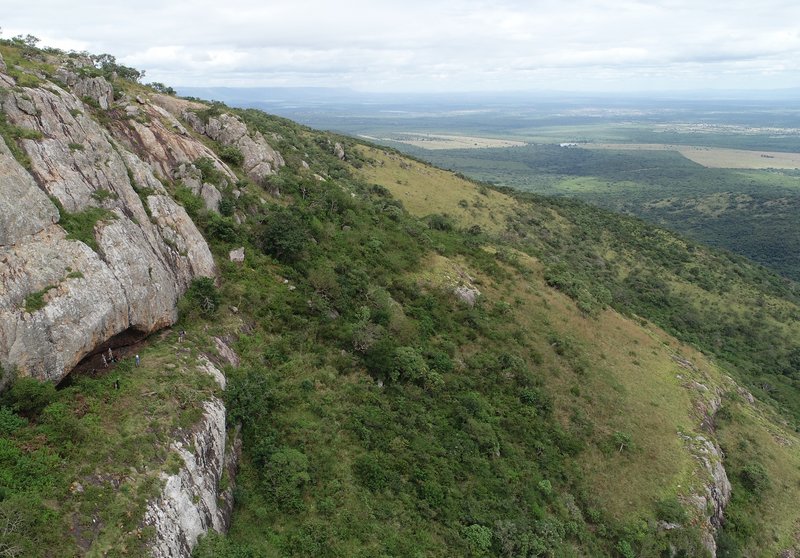
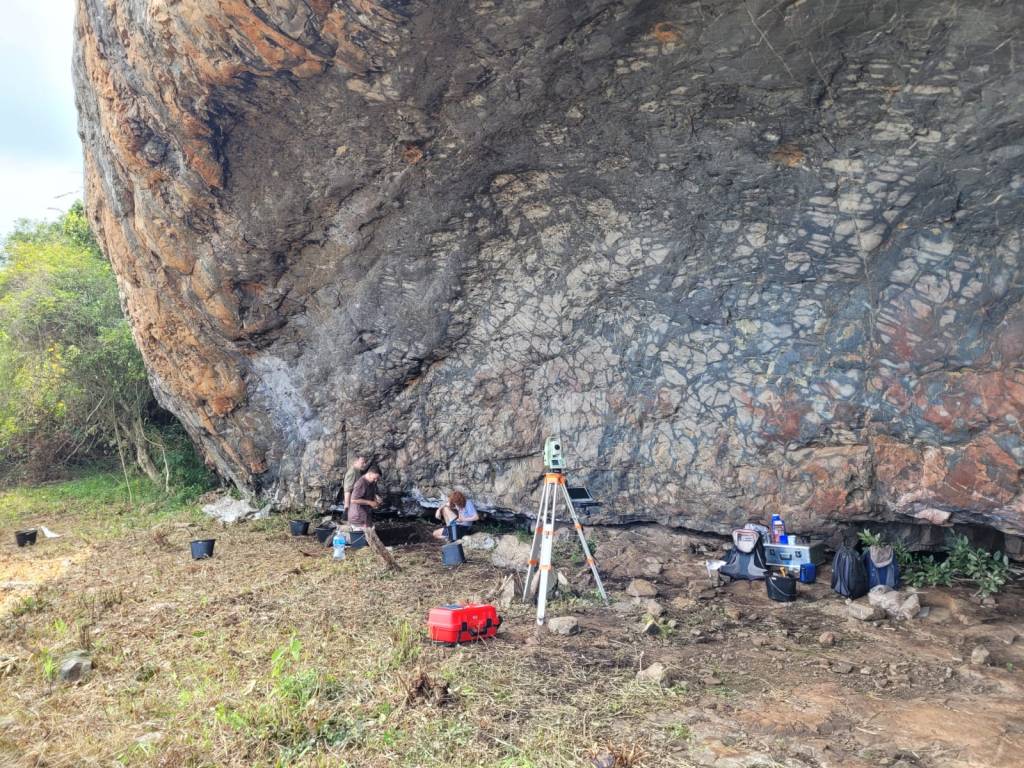

Muti Muti shelter
Located in the Lebombo mountains, in eastern Eswatini, Muti Muti has been researched thoroughly. The interdisciplinary team consists of researchers from the Senckenberg Centre for Human Evolution and Palaeoenvironment in Tübingen, the German Archaeological Institute and the University of Missouri. Together they conducted multiple field campaigns which excavated the northern part of the shelter. The main aspects of interest were the rock art as well as the stone and ceramic artefacts.

Ochre
Ochre, a natural form of iron rust, holds significant ritual importance across Africa and many other parts of the world. Archaeologists in southern Africa have been dating ochre sites, and Eswatini boasts the world’s oldest known mine, Lion Cavern. Approximately 48,000 years ago, people mined ochre at Lion Cavern. Although the mine was first excavated in the 1960s, the early carbon dating results were initially disputed. However, recent SARA excavations using Optically Stimulated Luminescence dating have confirmed these ancient dates, affirming Lion Cavern as the oldest known mine worldwide. Lion Cavern is listed on the UNESCO World Heritage Site Tentative List, and plans are underway to achieve full World Heritage Site status. It is also designated as a National Monument and is located within the Malolotja Nature Reserve, where it is open to the public.



Rock Art Studies
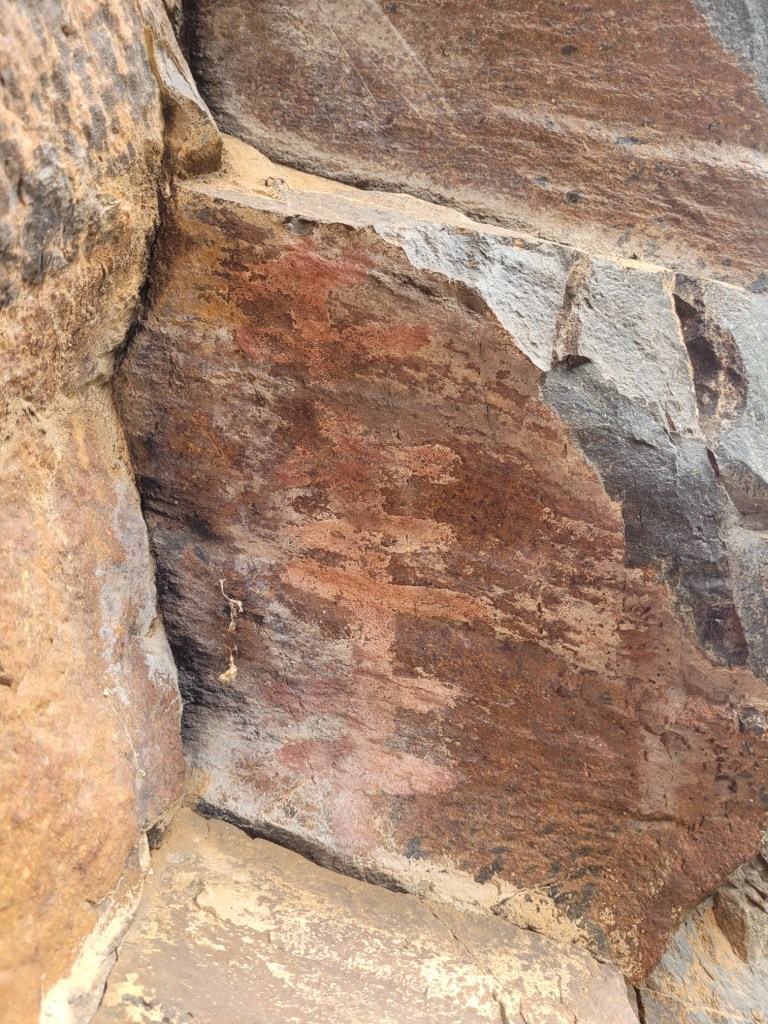
Though the San-Bushmen have disappeared from the Swazi landscape, their paintings remain on rock shelter walls throughout the country, offering glimpses into a distant past. Using Neutron Activation Analysis, portable X-ray spectrometry, and Raman spectrometry, researchers can sometimes determine the constituents of the paint and the source of the ochre used. In some cases, enough organic material remains in the paint to identify the binders used, such as pig fat in one instance. However, science and technology are not the only tools employed in rock art studies; a stylistic analysis of the country’s rock art heritage is also underway through SARA.
Museums
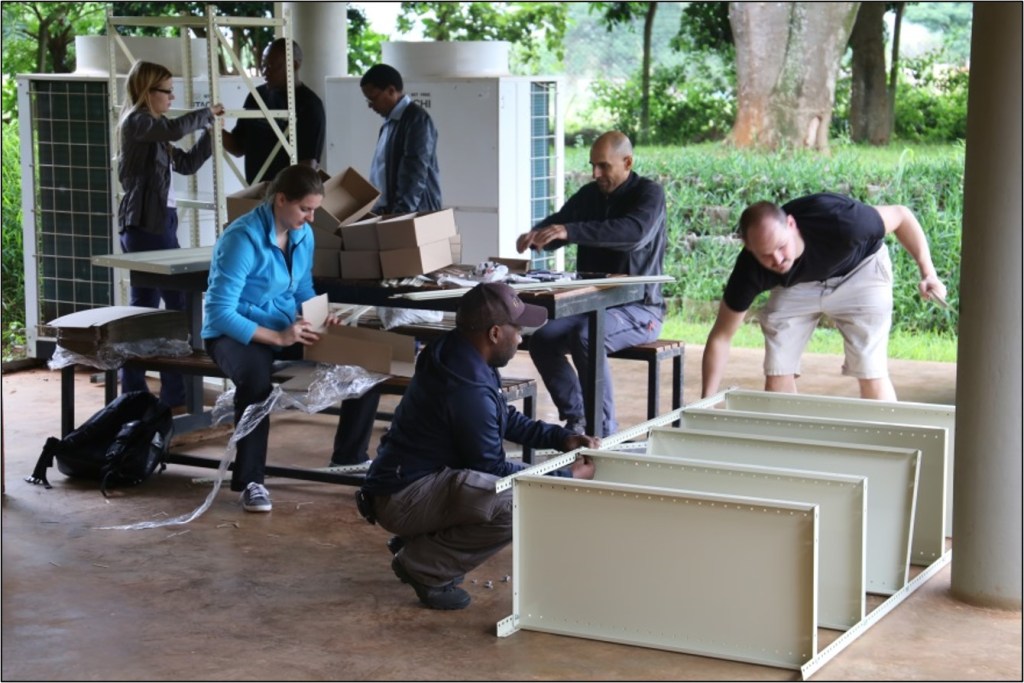
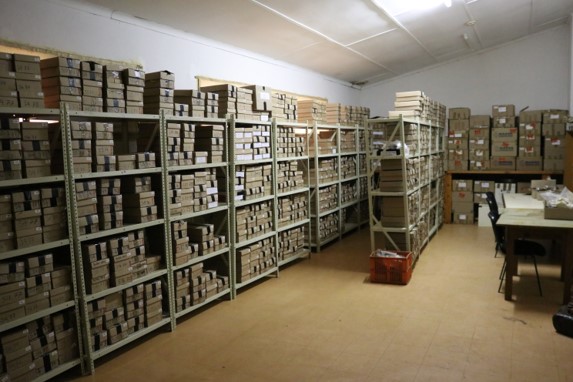
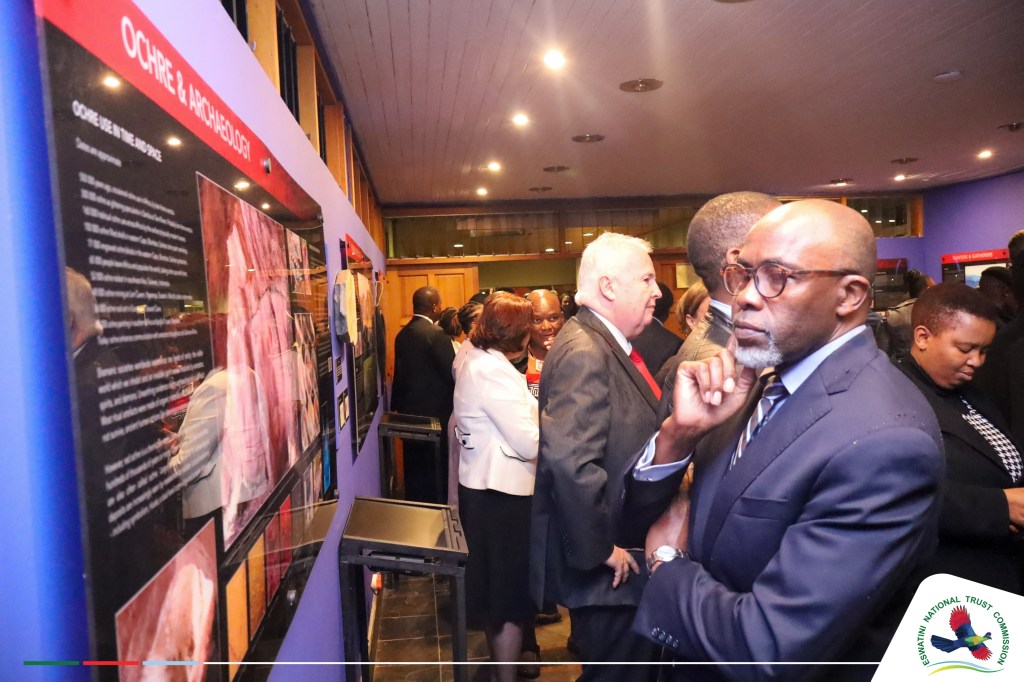
Public education is essential for the transmission and preservation of heritage. The National Museum has an exhibition on San-Bushman life and rock art, with many of the paintings sourced from SARA’s archives. Funded by the German Embassy in Pretoria. A temporary exhibition “Planet Africa”, from the German Archaeological Institute opened in April 2025 at the National Museum of Eswatini in Lobamba. It will run for one year.


Education
SARA is dedicated to empowering Swazi archaeologists and has facilitated the study of archaeology abroad for two Swazi students. Temahlubi Nkambule recently completed her masters degree, focusing on ochre in Swazi society. Ayanda Mabuza master’s dissertation focused on San-Bushman rock art in Eswatini at the University of Tübingen. She is currently enrolled for a PhD. SARA encourages students in their area of interest and supervise their research.
Another important aspect is the education of the general public. SARA collaborates with different institutes and scientists to give presentations and make exhibtions, like the San-Bushman exhibition which opened in April 2025.

Community Outreach
Rock art sites are critically vulnerable when they are publicly revealed before effective protection is in place. SARA is assisting the Mkhuzweni community in safeguarding and protecting their rock art site. Community guides have been trained, signs erected and the site is now fenced and open to the public.
 saraeswatini.org