Eswatini lies between South Africa and Mozambique. Geographically, the country is subdivided into four ecozones: the western Highveld, the central Middleveld, the Lowveld, and the narrow, elevated Lebombo mountain range, which forms the eastern border with Mozambique. This results in a wide range of ecosystems within a surprisingly small geographic area and a wide diversity of archaeological sites.

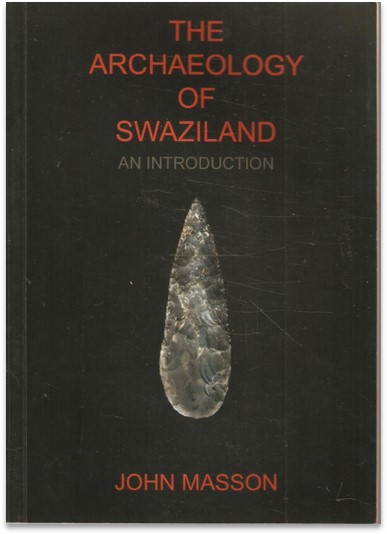
Archaeological research in Eswatini began in the 1950s with Johnny Masson, at the time a colonial officer. Masson conducted several small-scale excavations but is best known for his detailed survey of rock art in the country. In the 1960s, Peter Beaumont conducted extensive fieldwork in Eswatini. Among his most celebrated sites are Castle Cavern, Banda Cavern, and Lion Cavern, all located in or around the modern Ngwenya iron ore mine. A Middle Stone Age radiocarbon date of 43,000 years BP was obtained from the bottom of the archaeological sequence at Lion Cavern. Evidence of intentional ochre mining on the walls and bedrock indicated that Lion Cavern is the oldest known ochre mine in the world.
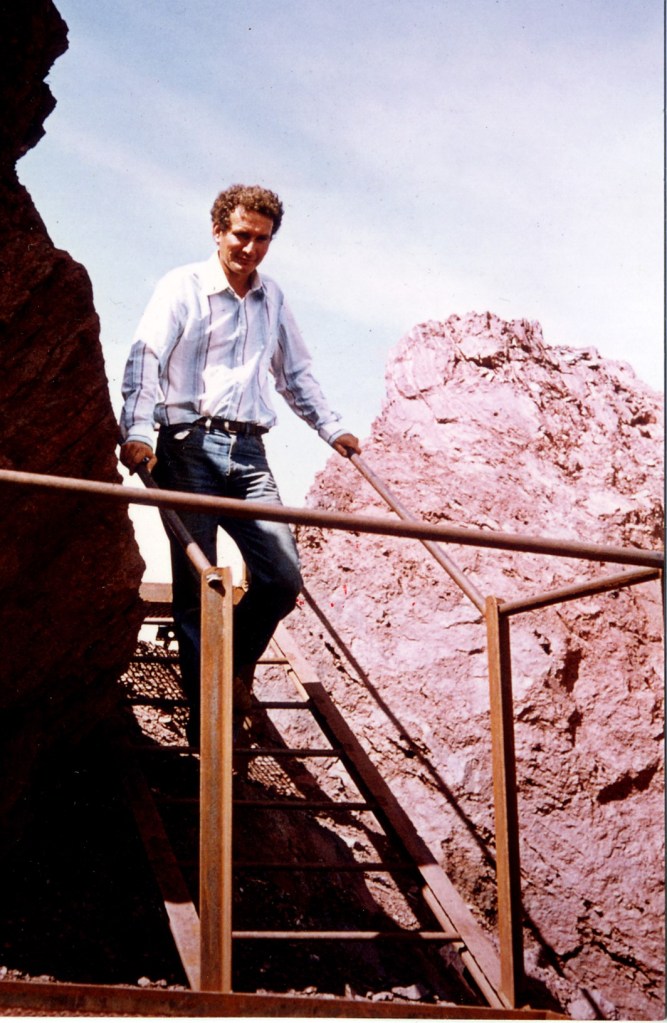
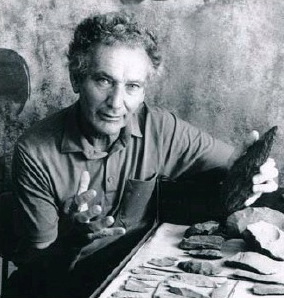
The Ngwenya sites are just the tip of the iceberg in terms of Eswatini’s archaeological significance. Between 1965 and 1967, Beaumont investigated over a hundred archaeological sites in the country and excavated several, revealing a deep history of hominin occupations spanning from the Early Stone Age to the Iron Age. However, much of his work remains unpublished. After the early 1970s, Beaumont left Eswatini and began excavations at Border Cave in South Africa, and without further excavations, Eswatini faded from archaeological prominence.


David Price Williams rediscovered Eswatini’s archaeological potential by chance. Coming from Britain and married to a Swazi, he visited the country to meet her family. After visiting the Nsangwini rock art site, he recognized the untapped research potential and, along with Johnny Masson, founded the Swaziland Archaeological Research Association (SARA). Price Williams spent three to four months each southern hemisphere winter conducting research in Eswatini with his family for over a decade. His began work during the late 1970s and in the early 1980s used modern excavation techniques introduced by Larry Barham, at the time a PhD student, and an innovative, interdisciplinary approach. Notable sites he excavated include Sibebe and Siphiso.
SARA documented more than eighty archaeological sites, sampling or excavating many of them. Some of these were first recorded during Beaumont’s time, while others were newly discovered. However, Price Williams left Eswatini in 1989 due to political and personal difficulties. The large SARA collection remained stored at the Swaziland National Museum in Lobamba, largely unseen by the archaeological community. Once again, Eswatini was forgotten, this time for twenty-seven years, with one exception: a brief phase of Iron Age research by Fumiko Ohinata in the early 2000s who completed a PhD on the Late Iron Age in Swaziland. This lack of research is particularly surprising, given that Stone Age research in neighboring South Africa was flourishing during this time.
In 2016, new archaeological excavations, curatorial work, and heritage management projects began in Eswatini. These ongoing efforts are a collaboration between the Eswatini National Trust Commission, the German Archaeological Institute, the Senckenberg Society, and several African, American, and European universities. These include the University of Missouri, the University of Bergen, the University of Tübingen, the University of Eswatini, and the universities of Johannesburg and Witwatersrand.
In 2018, Swaziland changed its name to Eswatini, and SARA was revived, now standing for the Swazi Archaeological Research Association. Several projects have highlighted Eswatini’s significance in understanding modern human culture.
Through these projects, we have confirmed an age of around 40,000 years for Lion Cavern via Optically Stimulated Luminescence dating, solidifying its status as the oldest ochre mine in the world.
The Middle Stone Age and Late Stone Age artifacts from Beaumont’s 1960s excavation at Lion Cavern are currently under investigation. These include several stone tools associated with ochre mining, which have been analyzed using 3D scans.
SARA has conducted geochemical provenance studies on ochre, showing that hunter-gatherers in what is now Eswatini mostly sourced their pigments from local areas less than 20 km from their habitation sites. However, we also found evidence of occasional long-distance transport of ochre pieces, over 100 km, indicating networks of exchange or migration over several thousand years.
A comprehensive analysis of stone tools from the MSA assemblages of Sibebe in Eswatini’s Highveld, which included recalibrated radiocarbon dates, was recently published. This analysis demonstrated that humans living in Eswatini 40,000 years ago produced sophisticated hunting weapons and that there was potential exchange with groups living further south, along the coast of KwaZulu-Natal.
 saraeswatini.org