On Monday, the 22nd of August, a workshop on Rock Art in Eswatini brought together researchers, heritage professionals, students and community members to discuss the significance and preservation of this unique cultural legacy. The event was attended by colleaugues from the University of Tübingen, the German Archaeological Institute (DAI), the University of Missouri-Colombia and local experts from the Eswatini National Trust Commission, the Eswatini Tourism Authority (ETA) and the University of Eswatini (UNESWA).

Group picture of the Rock Art Workshop 2025 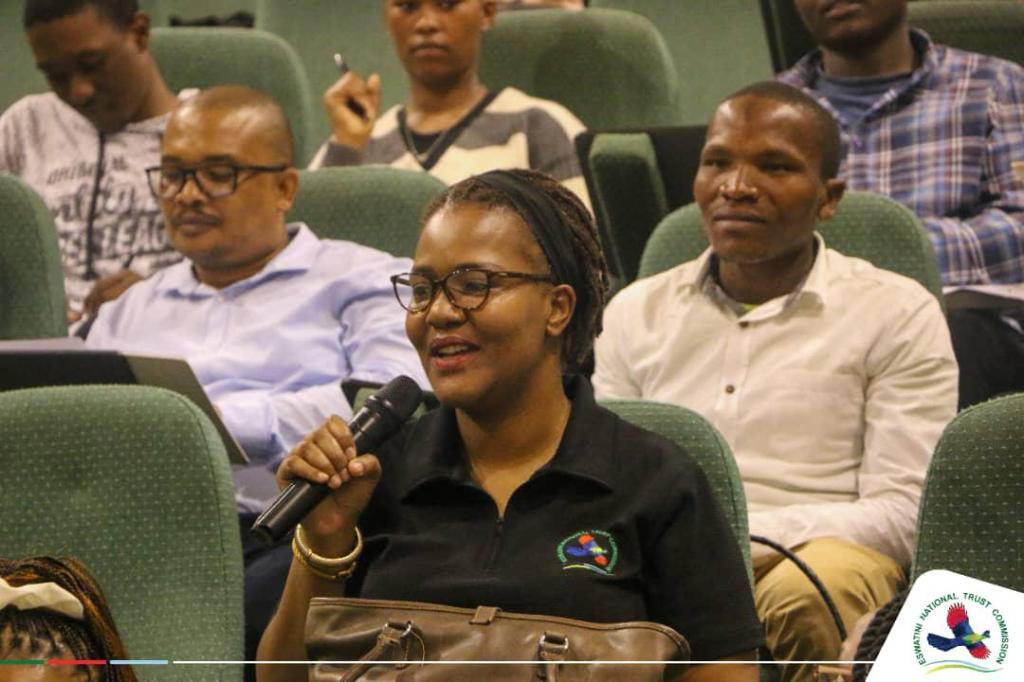
Bonsile Ndlangamandla (ENTC) speaking 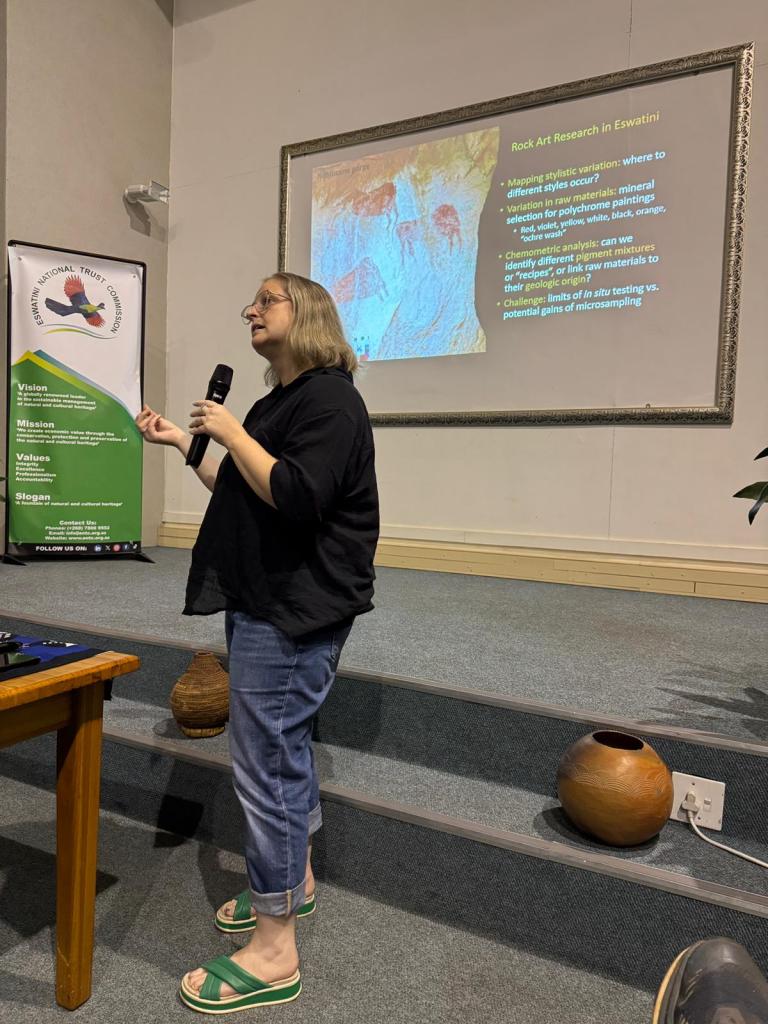
Brandi MacDonald (University of Missouri) presenting her research 
Jörg Linstädter (DAI) introducing his work 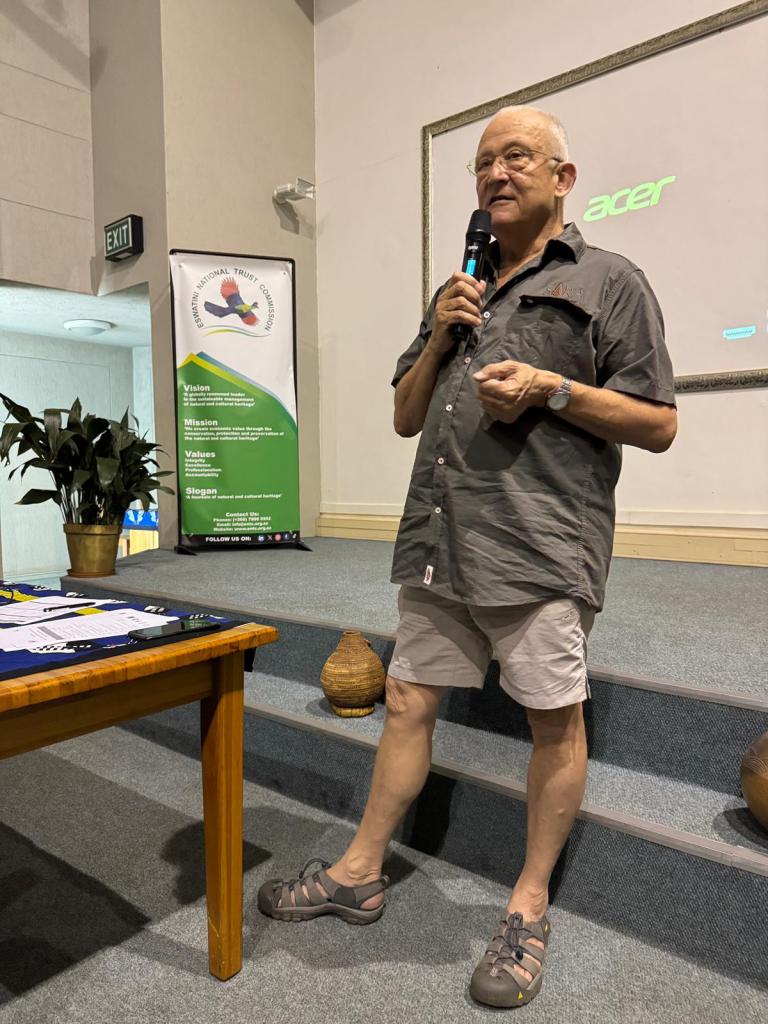
Bob Forrester holding a presentation 
Gregor Bader (University of Tübingen) showing his research 
Students from UNESWA visiting the Mkhuzweni rock art site 
Official logo of the Mkhuzweni rock art site 
Brandi MacDonald showing one of the methods to scan rock art painting 
Bob Forrester explaining different the different stilistic elements 
Students learning about analyzing rock art
The discussions highlighted the richness of Eswatini’s rock art traditions and their relevance for science and society. Key themes included strategies for documenting and conserving the archaeological sites, the legal framework that guide heritage protection and opportunities to strengthen academic teaching, as through the potential introduction of archaeology as a module in UNESWA’s Department of History.
This workshop illustrated that archaeology extends far beyond the analysis of material remains. It is a collaborative practice that brings together scientific expertise, cultural stewardship and social responsability. Preserving Eswatini’s rock art is therefore not only a matter of conservation, but also ensuring that these traditions remain meaningful and accessible to the communities that live with them today – and to future generations.
 saraeswatini.org
Leave a comment